International Shotokan Karate Federation of India

Training

ISKF INDIA · SHOTOKAN TRAINING

Karate Training

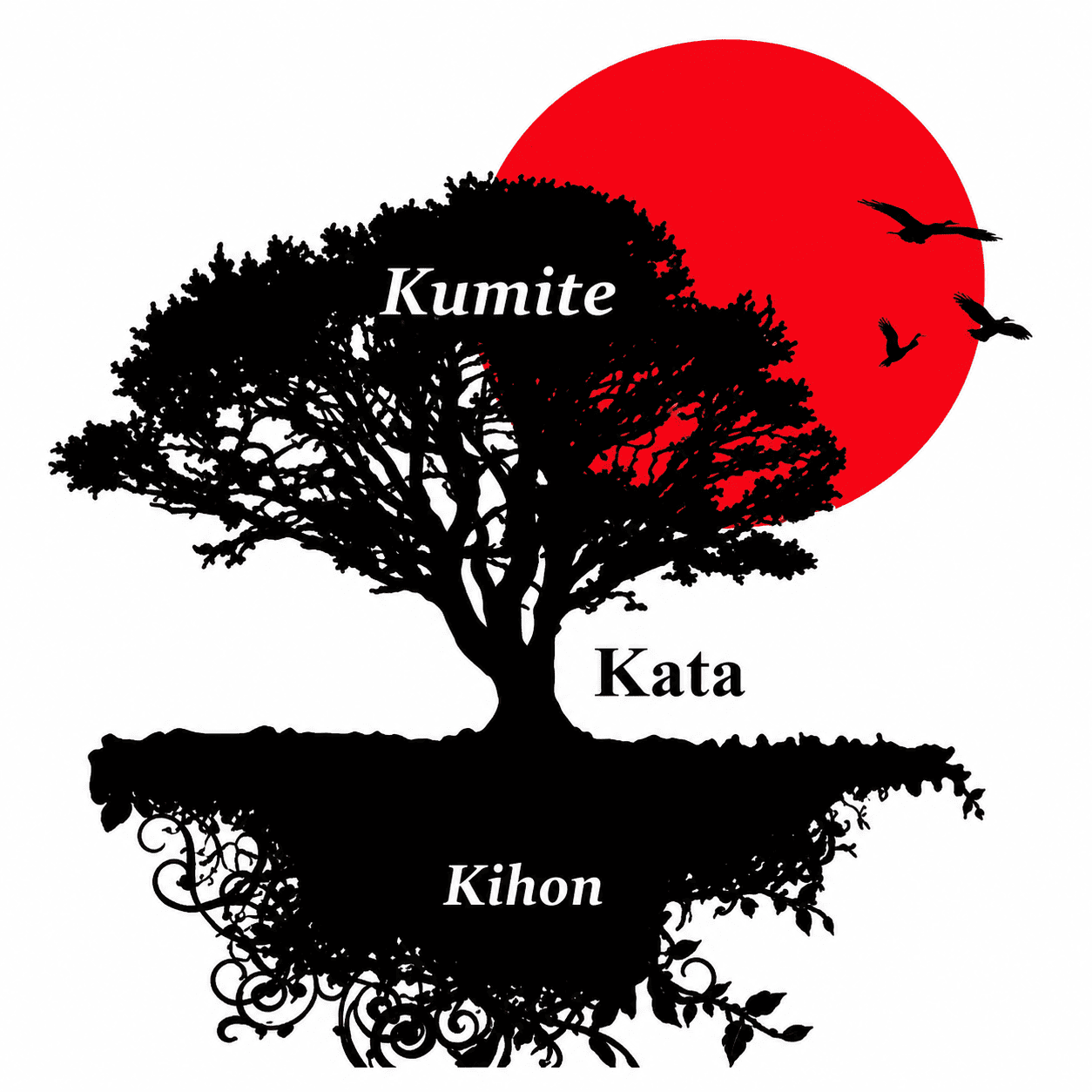
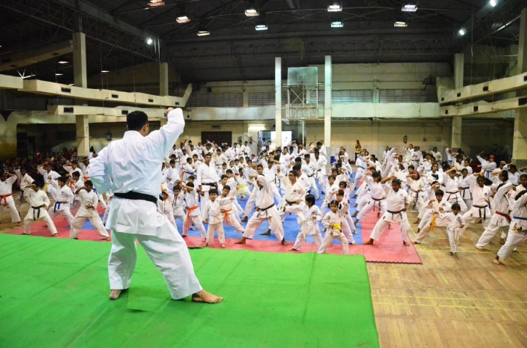
Traditional Shotokan Karate training develops technique, discipline, coordination, control and character through Kihon, Kata and Kumite.

Shotokan Karate Kihon Kata Kumite

Karate Training

Training in Shotokan Karate is generally made up of three elements: Kihon, Kata and Kumite.

Karate practice benefits the student in all areas of life. It encourages proficiency and keen coordination of mind and body.

Advancing age is not a hindrance to the practice of Karate.

“True karate is this: that in daily life one’s mind and body be trained and developed in a spirit of humility, and that in critical times, one be devoted utterly to the cause of justice.” — Gichin Funakoshi

Kihon

Fundamental techniques and basic movements that form the foundation of Shotokan Karate.

Kata

Traditional forms that develop movement, balance, timing, precision and concentration.

Kumite

Controlled sparring that develops speed, distance, timing, control and application.

Shotokan Karate Kihon Training
Training Foundation

Kihon (Basics)

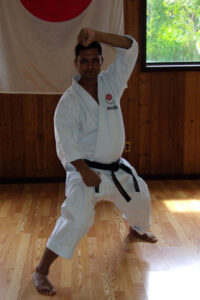
These are the core for good Shotokan Karate. Basics are made up of punches, blocks and kicks and are often used in simple combinations for lower belts and more complicated combinations for the higher belts.

Although Shotokan Karate is repetitive, it continues to challenge the mind and body when rising through the ranks.

Speed, sharpness and strength are tuned in the basic techniques and you learn to use your whole body to deliver a punch or block an attack.

Training also develops control. Even when an attack is delivered with a fully committed punch or kick, it must stop short of the target, demonstrating control.
Punches Blocks Kicks Speed Control
Shotokan Karate Kata Training
Traditional Forms

Kata (Forms)

There are 26 kata in Shotokan Karate and you will eventually need to know them all as you progress through the ranks of black belt.

As a lower grade student there is a different kata required at every grading to progress to the next belt.

Normally students will learn at least one or two kata ahead of their next grading.

Kata is an important part of Shotokan Karate training and is normally practiced at every training session.

“To practice kata is not to memorize an order. You must find the kata that work for you, understand them, digest them and stick with them for life.” — Master Gichin Funakoshi
Shotokan Karate Kumite Training
Controlled Sparring

Kumite (Sparring)

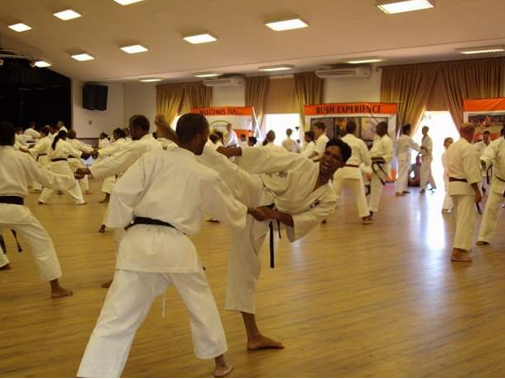
Kumite is a general word which refers to forms of sparring. There are different ranges of sparring depending on your rank and experience.

Kumite uses all the skills from Basics and helps to develop speed, strength and control.

Beginners practice 3 step sparring, where the defender steps back each time and blocks the attack, then delivers a counter attack on the last technique.

More experienced karate-ka will practice Jiyu Ippon Kumite (semi-free) and Jiyu Kumite (free).

Whilst it is encouraged to show full commitment in an attack, injuring your sparring partner is discouraged. Therefore control is required.

Timing Distance Speed Control

Train the Body. Develop the Mind.

Kihon, Kata and Kumite work together to develop technical ability, discipline, confidence, coordination and the character of the Karate-ka.